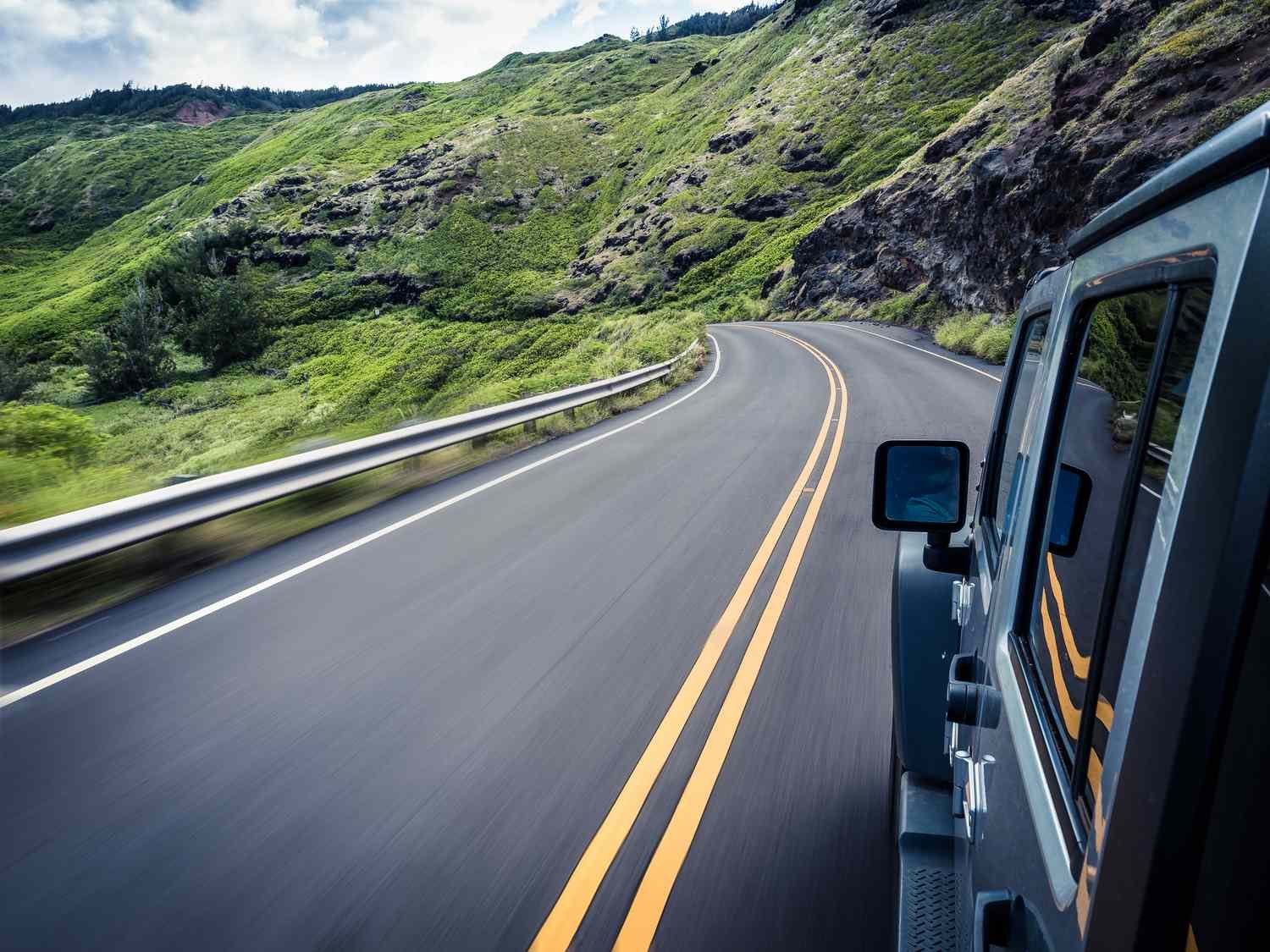
Remember that first road trip I took from Lahore up to Hunza? I was buzzing with excitement, windows down, blasting some old Punjabi tunes as the city faded into those winding hills. But halfway through, a sudden downpour turned the roads into slippery chaos, and I realized I’d forgotten my rain jacket. That mishap taught me the hard way: comfort on Pakistan’s roads isn’t just about the views—it’s about smart prep that turns potential headaches into smooth adventures. Whether you’re chasing the Karakoram’s peaks or the Indus Valley’s secrets, these tips draw from real journeys to keep you cozy, safe, and smiling.
Planning Your Road Trip
Planning a road trip in Pakistan starts with mapping routes that match your vibe—whether thrill-seeking or laid-back. Factor in weather, as monsoons can flood southern paths while winters block northern passes. Grab a local SIM for real-time updates, and book stays ahead in hotspots like Gilgit to avoid last-minute scrambles. Think of it as plotting a story where every stop adds a chapter of discovery.
Choosing the Best Routes
Pakistan’s roads weave through epic landscapes, from ancient trade paths to modern highways. The Karakoram Highway stands out for its jaw-dropping views of towering peaks and glaciers, but it’s not for the faint-hearted with its narrow twists. For a cultural dive, the Grand Trunk Road from Lahore to Peshawar blends history with bustling bazaars. Pick based on your group’s energy—families might prefer smoother southern stretches.
- Karakoram Highway (Gilgit to Sost): 180km, 4 days; highlights include Rakaposhi views and Attabad Lake.
- Hindu Kush Drive (Gilgit to Chitral): 400km, 3-4 days; explore remote valleys like Yasin and the Shandur Pass polo grounds.
- Grand Trunk Road (Lahore to Peshawar): 520km, 3 days; visit forts and Buddhist ruins en route.
- Indus Valley (Karachi to Lahore): 1500km, 8 days; Sufi shrines and ancient sites like Moenjodaro.
- Fairy Meadows Loop: Short 17km offshoot for Nanga Parbat vistas.
Best Time to Travel
Timing your trip right means dodging extremes—aim for spring (March-May) or autumn (September-November) when skies are clear and temps mild. Summers bring scorching heat in the south, while winters seal off northern routes with snow. I once hit Hunza in October, and the golden poplars made every mile feel like a painting—pure magic without the crowds or chills.
Budgeting for Comfort
Budget smartly: fuel and tolls can add up on long hauls like the KKH, around 10,000-15,000 PKR for a mid-size car. Allocate for unexpected stays if landslides delay you—I’ve been stuck overnight in a cozy guesthouse, turning frustration into stargazing bliss. Factor in meals at roadside dhabas, about 500 PKR per person daily, and keep cash handy for remote spots without ATMs.
Pros and Cons of Budget vs. Premium Planning
Pros of budget planning: Authentic experiences, like hitchhiking chats with locals; lower costs free up for extras. Cons: Less comfort, potential delays on public transport. Premium perks: Hired drivers for stress-free navigation; comfy AC vehicles. Drawbacks: Higher expense, less spontaneity.
Vehicle Preparation
Your vehicle is your road trip companion—treat it well. Get a full service check before heading out, focusing on brakes and tires for those mountain curves. I learned this after a flat tire near Chilas; a quick spare swap saved the day, but it could’ve been avoided with pre-trip tweaks.
Essential Vehicle Checks
Run through fluids, battery, and lights—Pakistan’s roads vary from smooth motorways to rocky paths. Carry a toolkit for basics like jump cables and a jack. For northern trips, ensure your ride handles altitude; my old sedan struggled once, but switching to a 4WD jeep made climbs effortless.
Hiring vs. Self-Driving
Hiring a driver shines for safety amid chaotic traffic—pros: Local knowledge navigates shortcuts; cons: Less freedom. Self-driving offers control but demands caution on blind turns. In cities like Islamabad, it’s doable, but for remotes, a pro behind the wheel lets you soak in views without worry.
| Aspect | Hiring a Driver | Self-Driving |
|---|---|---|
| Cost | 20,000-40,000 PKR per long leg | Fuel + maintenance, cheaper long-term |
| Safety | High, expert handling | Moderate, requires experience |
| Flexibility | Medium, set itinerary | High, stop anywhere |
| Comfort | Relax and enjoy | Active, but tiring |
Packing Essentials
Packing for Pakistan’s roads means layering for wild weather swings—one day sunny plains, next chilly heights. I always toss in a shawl for quick modesty at shrines; it doubled as a picnic blanket once. Focus on versatile items that pack light but deliver comfort on those bumpy rides.
Clothing and Gear
Opt for breathable cottons in summer, warm layers for north. Sturdy shoes handle hikes off the beaten path—I regretted flip-flops on a Fairy Meadows trek. Don’t forget a hat and sunglasses; the glare off glaciers can be brutal, turning a scenic drive into a squint-fest.
- Lightweight jackets or fleeces for evenings.
- Modest attire: Long sleeves, pants for cultural respect.
- Hiking boots or grippy sneakers.
- Rain poncho—monsoons hit hard.
- Power bank for long stretches without outlets.
Health and Safety Kit
Stock a first-aid kit with basics like bandages and antiseptics; add motion sickness pills for winding roads. I’ve nursed a headache from altitude with ibuprofen—lifesaver. Include water purifier tablets; tap water’s risky, but boiled chai from dhabas is usually safe and soul-warming.
Snacks and Entertainment
Pack nuts, fruits, and biscuits for hunger pangs on remote routes—no McDonald’s in the Karakorams! Download podcasts or audiobooks; my go-to for long drives is travel tales that spark laughs. A portable speaker turns rest stops into mini parties, easing the monotony.
Pros and Cons of Overpacking
Pros: Prepared for anything, like surprise cold snaps. Cons: Cluttered car reduces space. Minimalist wins: Easier movement, but might miss comforts like extra blankets.
Safety Tips for the Road
Safety’s non-negotiable on Pakistan’s diverse roads—from busy highways to cliffside paths. Drive defensively, yielding to trucks that barrel through; I once pulled over just in time near Peshawar. Stay alert, especially at dusk when visibility drops, and trust locals’ advice on tricky sections.
Navigating Road Conditions
Mountain roads like the KKH are narrow and cliff-hugging—go slow, honk on bends. Avoid night driving; landslides are common after rains. In my Chitral jaunt, a brief storm delayed us, but waiting it out with tea and stories made it memorable, not miserable.
Dealing with Checkpoints
Checkpoints are routine for security—have passport copies ready to speed through. Smile and chat; officers often share tips. In sensitive areas like Balochistan, escorts might join, adding a layer of safety but curbing spontaneity.
Emergency Preparedness
Carry a charged phone and emergency contacts; apps like Careem help in cities. For breakdowns, locals are incredibly helpful—I got a tow from a kind trucker once. Know basic phrases in Urdu or Pashto to bridge gaps and turn mishaps into connections.
Comfort on the Road
Comfort turns grueling drives into enjoyable escapades—think padded seats and frequent breaks. I swear by neck pillows for naps during long hauls; woke up refreshed for Hunza’s vistas. Hydrate often, and stretch at viewpoints to keep the body happy.
Seating and Ergonomics
Adjust your seat for support; add cushions if needed. For groups, rotate positions to share the best views. On a family trip to Skardu, we played games to pass time, making the 170km from Gilgit feel shorter and funnier.
Managing Long Drives
Break every 2-3 hours for walks and snacks—prevents fatigue. Use lower gears on descents to save brakes; learned that descending Babusar Pass. Music playlists curated to the scenery amp up the vibe, from folk tunes in valleys to upbeat tracks on straights.
Health During Travel
Combat motion sickness with ginger candies; fresh air helps too. Eat light meals to avoid tummy troubles—dhabas offer fresh naan and tea that’s comforting. Stay positive; a flat tire once led to an impromptu picnic with stunning mountain backdrops.
| Comfort Hack | Benefit | Example |
|---|---|---|
| Neck pillow | Reduces strain | Long KKH stretches |
| Snacks stash | Curbs hunger | Remote Indus areas |
| Playlist | Boosts mood | Grand Trunk vibes |
| Breaks | Refreshes | Shandur Pass views |
Must-See Destinations Along the Way
Pakistan’s road trips unfold like a treasure hunt—each route dotted with wonders. From Lahore’s Mughal forts to Chitral’s Kalash valleys, stops enrich the journey. I paused at Attabad Lake once, its turquoise waters a perfect picnic spot amid the drama.
Northern Highlights
Hunza Valley captivates with ancient forts and apricot orchards—hike to Eagle’s Nest for panoramas. Fairy Meadows offers Nanga Parbat closeness; the jeep ride up is an adventure itself. Don’t miss Passu’s glaciers, where silence feels profound.
Southern Gems
The Indus route reveals Moenjodaro’s ruins, whispering ancient tales. Uch Sharif’s Sufi shrines glow with spiritual energy—attend a qawwali session for emotional highs. Thatta’s Makli Necropolis, a UNESCO site, stuns with intricate tombs under vast skies.
Off-the-Beaten-Path Spots
Venture to Yasin Valley for untouched beauty and trout fishing. Deosai Plains, the “Land of Giants,” bloom with wildflowers in summer—spot brown bears if lucky. These detours add intimacy, away from tourist throngs.
Comparison of Northern vs. Southern Routes
Northern: Stunning mountains, adventure-focused; cons: Weather-dependent. Southern: Cultural depth, easier access; pros: Year-round viable, but hotter summers.
Food and Accommodation Tips
Roadside dhabas serve hearty biryanis and kebabs—fuel for the soul. I discovered the best chapli kebabs in Peshawar; spicy, juicy perfection. For stays, mix guesthouses with hotels for authenticity and comfort—book via apps for deals.
Eating on the Go
Pack reusable bottles; fill at clean sources. Try local fruits like Hunza apricots for natural energy. Vegetarians, dal and sabzi are staples—safe and satisfying. Humor alert: Skip suspicious salads, or risk a “Punjab tango” with your tummy!
Finding Cozy Stays
Guesthouses in north offer homey vibes with mountain views—bargain for better rates. In cities, mid-range hotels provide AC relief. Camping under stars in Deosai was my highlight; crisp air, no light pollution, just peace.
Hydration and Nutrition
Drink plenty—altitude dehydrates fast. Nuts and dates keep energy steady without heaviness. A thermos for chai turns any stop into a warm hug, especially on chilly evenings.
Cultural Etiquette for Travelers
Respect amps up hospitality—greet with “Assalam-o-Alaikum” for instant smiles. Dress modestly; it opens doors. I shared iftar during Ramadan once, forging bonds over dates and stories that lasted beyond the trip.
Interacting with Locals
Accept tea invites—they’re genuine. Ask permission for photos; it builds trust. In conservative areas, men address men, women women—simple courtesy avoids awkwardness.
Respecting Traditions
Remove shoes at homes or mosques. Eat with right hand; it’s custom. During festivals like polo in Shandur, cheer locals—joins the fun without intruding.
Sustainable Travel
Dispose waste properly; Pakistan’s beauty deserves care. Support local artisans—buying a shawl in Chitral aids communities. Leave no trace, take only memories.
People Also Ask
Is it safe to go on a road trip in Pakistan?
Yes, with precautions like avoiding night drives and checking advisories. Northern areas are generally secure for tourists, but southern regions may need escorts.
What are the best routes for road trips in Pakistan?
Top picks include the Karakoram Highway for mountains, Grand Trunk for history, and Indus Valley for culture. Each offers unique sights and challenges.
How do you get around in Pakistan for road trips?
Options range from public buses and minivans to hired drivers or self-drive. Hitchhiking works well in the north, but patience is key for breakdowns.
What should I pack for a road trip in Pakistan?
Essentials: Layers, first-aid kit, snacks, power bank. Modest clothes, sturdy shoes, and water purifier ensure comfort across varied terrains.
What is the best time to visit Pakistan for road trips?
Spring and autumn for mild weather; avoid summer heat in south and winter snow in north.
FAQ
How can I make long drives more comfortable in Pakistan?
Break frequently, use cushions, and pack entertainment. Hydrate and snack wisely to stay energized.
What safety measures should I take on mountain roads?
Drive slow, use horns on curves, carry chains for snow. Avoid overtaking on blinds, and heed local warnings.
Where can I find reliable accommodations during a road trip?
Use Booking.com or local guesthouses; northern valleys have charming options. Book ahead in peak seasons.
What are some must-try foods on Pakistani road trips?
Chapli kebabs, biryani from dhabas, and fresh fruits. Chai is a constant companion for warmth.
How do I handle checkpoints smoothly?
Carry passport copies, be polite, and have your itinerary ready. It speeds things up.
That Hunza trip? It wasn’t just miles—it was moments of awe, laughter over chai, and lessons in resilience. Pakistan’s roads challenge you, but reward with unmatched beauty and warmth. Pack these tips, hit the gas, and create your own stories. Safe travels—may your journey be as comfortable as it is unforgettable.