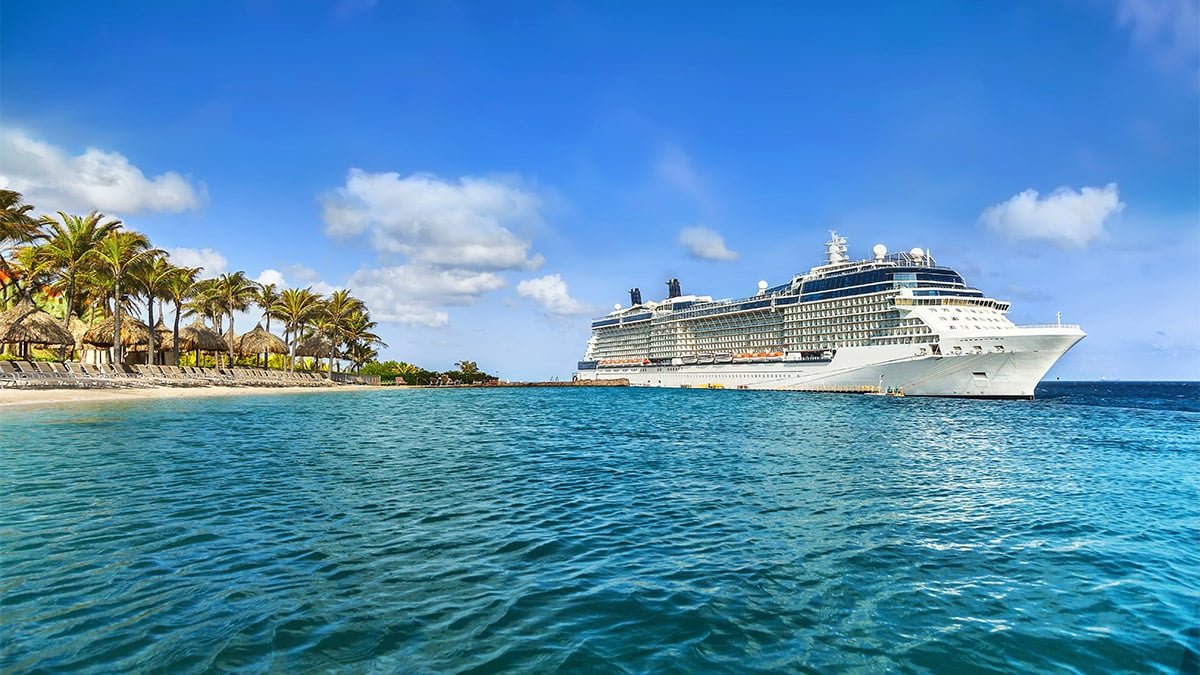
I remember my first cruise like it was yesterday—a quick domestic jaunt along the California coast that turned me into a lifelong fan of life on the water. The gentle rock of the ship, the endless ocean views, and that feeling of waking up in a new place without lifting a finger? Pure magic. But then I ventured international, chasing sunsets in the Mediterranean, and realized cruising isn’t just a vacation; it’s a portal to the world. Whether you’re dipping your toes into domestic waters or setting sail for far-flung shores, this guide dives deep into both, sharing tips, stories, and insights to make your journey unforgettable.
What Are Domestic Cruises?
Domestic cruises are those magical getaways that keep you within your home country’s borders, often departing from familiar ports and exploring local gems without the hassle of international travel documents. Think of them as a stress-free introduction to cruising, where you can focus on relaxation rather than customs lines. They’re perfect for families or first-timers who want adventure close to home, blending scenic beauty with onboard fun.
Popular Domestic Destinations in the US
From the rugged Alaskan fjords to sunny Hawaiian islands, domestic US cruises offer a slice of America’s diverse landscapes right from your deck chair. These routes highlight natural wonders and cultural hotspots, often with shorter itineraries that fit busy schedules. Imagine spotting whales in Alaska or hiking volcanoes in Hawaii—it’s like a national park tour on water.
- Alaska: Glacier Bay and Juneau for wildlife and icy vistas; best in summer.
- Hawaii: Island-hopping from Honolulu, with beaches and luaus; year-round appeal.
- New England/Canada: Fall foliage cruises from Boston, touching historic ports.
- Pacific Coast: Wine country stops in California, from San Francisco to San Diego.
- Mississippi River: Paddlewheel journeys through Southern history and jazz.
Benefits of Staying Domestic
Sticking to domestic cruises means easier logistics, like driving to the port instead of flying overseas, which saves time and money. Plus, you avoid jet lag and currency exchanges, letting you dive straight into the fun. It’s like a road trip, but with someone else handling the driving—and the meals.
What Makes International Cruises Different?
International cruises whisk you across borders, opening doors to exotic cultures, ancient ruins, and flavors you can’t find at home. They demand a bit more planning, like passports and visas, but the payoff is immense—think sipping wine in Tuscany or snorkeling in the Great Barrier Reef. These voyages feel like grand adventures, blending the comfort of your floating hotel with the thrill of global discovery.
Key Differences from Domestic Trips
While domestic cruises keep things familiar and straightforward, international ones amp up the excitement with diverse ports and longer sailings. But they can involve more paperwork and potential language barriers. It’s a trade-off: comfort versus cultural immersion.
| Aspect | Domestic Cruises | International Cruises |
|---|---|---|
| Travel Docs | Often just ID | Passport required; visas sometimes |
| Duration | Shorter (3-7 days) | Longer (7-14+ days) |
| Costs | Generally cheaper | Higher due to flights, excursions |
| Destinations | Local hotspots | Exotic global spots |
| Accessibility | Easy drive/fly | International travel needed |
Why Go International?
Venturing abroad on a cruise lets you sample multiple countries in one trip, like a tasting menu of the world. I once hopped from Greece to Turkey in a day, munching baklava by morning and souvlaki by night—talk about efficient exploring. It’s ideal for those craving variety without the solo travel stress.
Best Cruise Lines for Domestic Voyages
For domestic US cruises, lines like American Cruise Lines and Carnival shine with tailored itineraries that celebrate American waterways and coasts. They offer intimate river journeys or mega-ship fun, focusing on themes like history or wildlife. Choosing the right line depends on whether you want a cozy paddlewheeler or a floating resort.
- American Cruise Lines: Small ships for river routes like the Mississippi; great for history buffs.
- Carnival Cruise Line: Affordable, fun-filled sailings to Alaska and Hawaii; family-friendly vibes.
- Princess Cruises: Scenic Pacific Coast and Alaska trips with glacier views.
- Norwegian Cruise Line: Freestyle cruising to New England ports.
- Royal Caribbean: Adventure-packed options along the coasts.
Top Picks for Families
If you’re cruising with kids, lines like Disney Cruise Line add magic to domestic routes, with character meetups and themed entertainment. It’s like a floating theme park meets national treasures—my niece still talks about spotting Mickey in Alaska. Perfect for creating those “remember when” moments.
Top International Cruise Destinations
International cruises unlock the world’s wonders, from Europe’s historic cities to Asia’s vibrant markets. These spots blend relaxation with exploration, often with overnight stays for deeper dives. Picture wandering Rome’s ruins or Bali’s beaches—each port a new chapter in your travel story.
- Caribbean: Crystal-clear waters in the Bahamas or Jamaica; ideal for beach lovers.
- Mediterranean: Italy, Greece, Spain for food and ancient sites; summer favorite.
- Europe (Northern): Fjords in Norway or Baltic capitals; cultural immersion.
- Asia: Japan, Thailand for temples and street food; exotic appeal.
- Australia/South Pacific: Great Barrier Reef or New Zealand fjords; adventure seekers.
Hidden Gems Abroad
Beyond the classics, try lesser-known spots like the Galapagos for wildlife or South America for Patagonia glaciers. I stumbled upon a quiet Croatian island once, sharing fresh seafood with locals—it felt like my own discovery. These offbeat ports add that emotional punch to your voyage.
How to Choose Between Domestic and International Cruises
Deciding between domestic and international boils down to your comfort level, budget, and wanderlust. Domestic suits quick escapes or those wary of long flights, while international feeds the soul with new horizons. Weigh what excites you more: familiar shores or foreign flavors?
Factors to Consider
Think about time off—domestic fits weekends, international needs weeks. Budget for extras like airfare abroad. And your group: kids might prefer domestic ease, couples the romance of faraway lands.
- Travel experience: Beginners start domestic.
- Budget: Domestic often under $500/person; international $1,000+.
- Interests: Nature? Domestic Alaska. Culture? International Europe.
- Season: Domestic year-round; international peaks in summer.
- Health: Domestic simpler for medical needs.
Personal Story: My First Switch
My domestic cruises were cozy, like home-cooked meals. But going international? It was like upgrading to a gourmet feast—nerve-wracking at first, but oh, the stories! If you’re hesitant, start small; the sea has a way of easing doubts.
Booking Your Cruise: Step-by-Step Guide
Booking a cruise is like planning a party on water—exciting but detailed. Start early for deals, and use trusted sites or agents for perks. I once snagged a balcony upgrade by booking six months out; it’s all about timing.
- Research destinations and lines via sites like Cruise Critic [external link: https://www.cruisecritic.com/].
- Set a budget, including extras like drinks packages.
- Choose dates and ports; check weather.
- Book through official sites (e.g., Royal Caribbean [external link: https://www.royalcaribbean.com/]) or agents for bonuses.
- Review terms; add insurance.
- Pack and prepare docs.
Where to Find Deals
Hunt on aggregator sites like Cruise.com [external link: https://www.cruise.com/] for comparisons. Last-minute deals shine for flexible travelers—I’ve saved hundreds that way. Internal link to our booking tips page [hypothetical: /booking-tips].
Essential Cruise Tips for Beginners
Cruising as a newbie? It’s a breeze with prep. Pack light, embrace the schedule, and don’t skip muster drill—safety first. My first tip: chat with crew; they know the best secrets.
- Bring motion sickness remedies; ginger candies work wonders.
- Download the cruise app for schedules and chats.
- Opt for anytime dining for flexibility.
- Budget for gratuities; they’re often auto-added.
- Explore ports early to beat crowds.
- Use onboard Wi-Fi sparingly; disconnect to recharge.
- Try specialty dining once for a treat.
Avoiding Common Pitfalls
Don’t overpack formal wear—most cruises are casual now. And skip the casino if you’re not lucky; I learned that the hard way with a “fun” $20 turning into a lesson. Humor aside, pace yourself to avoid burnout.
Pros and Cons of Cruising
Cruising offers unbeatable value, but it’s not for everyone. Weigh the highs and lows to see if it fits your style.
Pros of Domestic Cruises
- Easy access: No long flights.
- Affordable: Lower costs overall.
- Familiar culture: Less adjustment needed.
Cons of Domestic Cruises
- Limited variety: Fewer exotic stops.
- Crowded ports: Popular spots get busy.
- Shorter trips: Less time to unwind.
Pros of International Cruises
- Cultural diversity: New experiences daily.
- Longer adventures: Deeper exploration.
- Stunning scenery: Iconic global landmarks.
Cons of International Cruises
- Higher expenses: Flights and visas add up.
- Jet lag: Time zone shifts.
- More planning: Documentation hassles.
People Also Ask
Drawing from common Google queries, here are real questions cruisers ponder, with straightforward answers based on experience.
What are the benefits of an international cruise over a domestic one?
International cruises offer diverse cultures, foods, and sights you can’t get domestically—like exploring ancient ruins in Europe versus US beaches. They build lasting memories through immersion, though they cost more and require passports. Domestic ones are simpler and cheaper, ideal for quick relaxation.
What is the difference between domestic and European river cruises?
Domestic US river cruises, like on the Mississippi, use larger paddlewheelers for history-focused trips, while European ones navigate narrower rivers with smaller ships, emphasizing locks and seasonal scenery. US cruises feel folksy; European more refined with wine regions.
How much do you typically spend on a cruise compared to a land vacation?
Cruises often cost less per day ($100-200/person) than land trips ($200+), including meals and transport. But add-ons like excursions bump it up. My cruises average $1,500/week; land vacations $2,000, sans the built-in entertainment.
Would you prefer an international cruise departing from the US vs. flying internationally?
Starting from a US port for international routes saves flight hassles, like transatlantic sailings to Europe. But flying to a foreign port lets you start immersed. I prefer US departures for ease—less jet lag, more excitement building onboard.
What are some pros and cons of cruising in Europe?
Pros: Historic ports, great food, easy multi-country travel. Cons: Crowded summers, variable weather, higher costs. It’s romantic but pack patience for lines at sites like the Colosseum.
FAQ
What documents do I need for a domestic cruise?
For US domestic cruises, a government-issued ID like a driver’s license often suffices for closed-loop sailings (starting and ending in the same port). Kids under 16 need birth certificates. Always check with your line, as rules vary.
How do I avoid seasickness on my first cruise?
Choose a mid-ship cabin for less motion, use bands or patches, and stay on deck for fresh air. Eat light, avoid alcohol initially—my go-to is green apples and horizon gazing. It works!
What are the best tools for booking cruises?
Use sites like Expedia Cruises [external link: https://www.expedia.com/Cruises] or Vacationstogo [external link: https://www.vacationstogo.com/] for deals. Apps from lines like Carnival help manage bookings. Internal link to our tools guide [hypothetical: /cruise-tools].
Is cruising safe for families?
Absolutely—ships have kids’ clubs, pools, and family activities. Safety drills and railings keep things secure. My family loves it; just supervise little ones near edges.
How can I save money on excursions?
Book independently via apps like Viator for cheaper options, or join ship tours for convenience. Look for bundle deals—I’ve saved 20% that way in ports like Cozumel.
Cruising, whether domestic or international, isn’t just travel—it’s a floating escape that reconnects you with wonder. From my foggy Alaskan mornings to balmy Caribbean nights, each voyage has taught me to embrace the unexpected. Ready to set sail? Grab that deal, pack your sense of adventure, and let the sea work its magic. Safe travels!