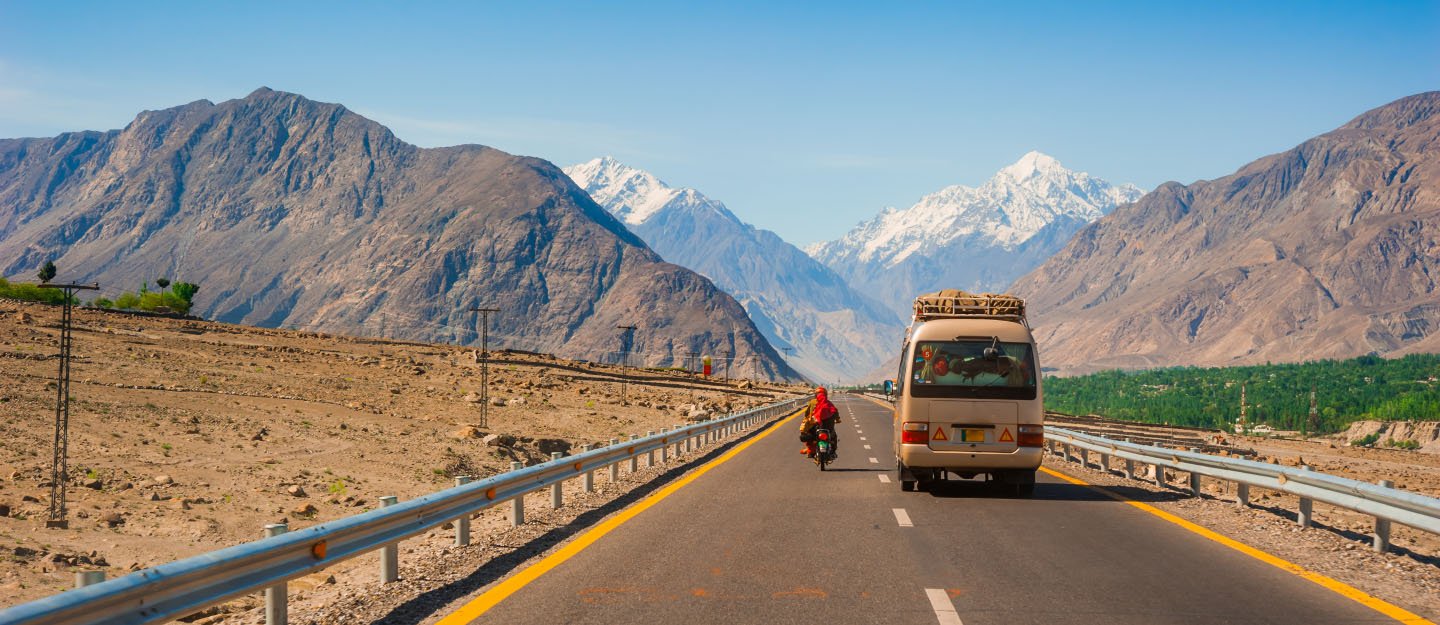
Remember that summer when I piled into my old Subaru with a couple of buddies, a cooler full of sandwiches, and no real plan beyond hitting the Pacific Coast Highway? We ended up chasing sunsets from Big Sur to Seattle, stopping at every quirky roadside diner along the way. That trip taught me more about freedom—and flat tires—than any guidebook ever could. Road trips aren’t just about getting from point A to B; they’re about the detours, the laughs, and sometimes the arguments over who picks the playlist. But like any adventure, they come with highs and lows. In this deep dive, we’ll unpack the real deal on road trips, drawing from my own miles logged across the U.S. and insights from fellow travelers, to help you decide if the open road is calling your name.
What Is a Road Trip, Anyway?
At its core, a road trip is any journey where driving is the star of the show, not just a means to an end. It could be a quick weekend jaunt to a nearby national park or an epic cross-country haul spanning weeks. What sets it apart is the emphasis on the experience—the scenic routes, spontaneous stops, and that sense of control over your itinerary that flying or trains just can’t match.
The Thrilling Pros of Hitting the Road
One major upside is the sheer flexibility; you dictate the pace, veering off for a hidden waterfall or extending a stay in a charming town without rescheduling flights. Road trips let you pack as much (or as little) as you want, from camping gear to your favorite snacks, turning your car into a mobile home base. Plus, they’re often budget-friendly for groups, splitting gas and lodging costs while creating shared memories that bond you tighter than any resort vacation.
Freedom to Explore Off the Beaten Path
Picture this: You’re cruising through Utah’s red rock canyons, and suddenly you spot a sign for a lesser-known hiking trail—boom, instant detour. Unlike rigid travel modes, road trips reward curiosity, letting you discover gems like Arches National Park or small-town festivals that mass transit skips. This spontaneity fuels that adventurous spirit we all crave.
Cost Savings for Savvy Travelers
Gas might sting at the pump, but when you factor in no baggage fees or pricey tickets, road trips often win on wallet-friendliness, especially for families or groups. My cross-country trek from New York to California cost under $500 in fuel, versus thousands in airfare for four people. Add in the ability to camp or picnic, and you’re laughing all the way to the bank.
Bonding Time with Loved Ones
There’s something magical about those long stretches of highway where conversations flow deeper—sharing dreams, debating life, or belting out bad karaoke. On a family trip through the Blue Ridge Parkway, my kids opened up about school stresses in ways they never did at home. It’s uninterrupted quality time that strengthens relationships.
Scenic Views and Real-World Immersion
Flying gives you clouds; trains, blurred landscapes. But driving immerses you in the world—winding through misty mountains or coastal cliffs, feeling the terrain change under your tires. I still get chills recalling the Pacific Coast Highway’s dramatic drops to the ocean, a view that photos can’t capture fully.
Eco-Friendly Options with Hybrids or EVs
Modern road trips can go green; hybrids sip fuel, and EVs like Tesla cut emissions while saving on gas long-term. Sure, charging adds time, but apps make it seamless, and you’re contributing less to pollution than jet fuel guzzlers. One EV owner I chatted with on a forum swore by the quiet ride and autopilot perks for relaxed cruising.
Packing Flexibility Without Limits
No more cramming into a carry-on; load up bikes, coolers, or even your dog without extra charges. This freedom shone on a camping road trip to Yellowstone, where we hauled tents and grills effortlessly, turning remote spots into our personal havens. It’s liberating for gear-heavy hobbies like hiking or photography.
The Downsides That Might Make You Rethink
On the flip side, road trips demand patience—long hours behind the wheel can lead to fatigue, turning excitement into exhaustion. Unexpected issues like breakdowns or bad weather amplify stress, and if you’re solo, the isolation hits hard. Costs can sneak up too, from tolls to maintenance, making them less ideal for tight budgets or timelines.
Time-Consuming Journeys
What looks like a quick map line can stretch into days; my attempt at a “swift” drive from Chicago to Denver ate 14 hours with traffic and stops. For busy folks, this eats into vacation time, where flying zips you there in hours. It’s a trade-off: more time traveling, less at your destination.
Physical and Mental Fatigue
Hours of driving strain your body—sore backs, numb legs, and that foggy brain from constant focus. I once pulled an all-nighter on a solo trip through Nevada’s deserts, arriving delirious and cranky. Rest stops help, but it’s no spa day.
Unpredictable Costs and Breakdowns
Tolls, repairs, or detours can balloon expenses; a flat tire in rural Montana cost me $200 and a day. Without proper planning, you’re at the mercy of mechanics in unfamiliar towns. It’s why I always pack a roadside kit now.
Limited Comfort in Confined Spaces
Cramped cars aren’t luxurious; kids whining “Are we there yet?” or arguing over AC settings tests patience. On a family haul to Florida, the close quarters sparked more squabbles than sunsets. Opt for spacious vehicles to mitigate this.
Environmental Impact from Emissions
Traditional gas guzzlers contribute to pollution, especially on long hauls. While EVs help, not everyone’s set up for them, and idling in traffic worsens it. Conscious choices like carpooling ease the guilt.
Safety Risks on the Road
Distracted drivers, wildlife crossings, or icy patches up the danger; statistics show higher accident rates on highways. Defensive driving and apps like Waze saved me from a few close calls, but it’s always a factor.
Road Trips vs. Flying: A Head-to-Head Comparison
Flying zips you across the country in hours, ideal for time-crunched trips, but lacks the scenic immersion of driving. Road trips offer flexibility and lower costs for groups, though they demand more planning for comfort. Ultimately, choose based on your priorities—speed or savoring the journey.
| Aspect | Road Trips | Flying |
|---|---|---|
| Time | Longer, with stops | Quick, direct |
| Cost | Cheaper for multiples | Often pricier per person |
| Flexibility | High—detours anytime | Low—fixed schedules |
| Comfort | Variable, car-dependent | Seats, but cramped |
| Views | Immersive landscapes | Aerial glimpses |
| Environmental | Higher emissions possible | Jet fuel heavy |
This table highlights key differences; for instance, a family of four might save hundreds driving to the Grand Canyon versus flying, but lose a day each way.
Road Trips vs. Train Travel: Weighing the Options
Trains provide relaxed, scenic rides without driving stress, perfect for reading or napping, but routes are limited and slower than planes. Road trips give ultimate control and access to remote spots, though you handle navigation. Trains win for eco-friendliness, while driving suits adventurers seeking hidden paths.
- Pros of Trains: No fatigue, onboard amenities, lower carbon footprint.
- Cons of Trains: Fixed tracks, potential delays, less baggage freedom.
- Pros of Road Trips: Custom routes, stop anywhere, pack heavy.
- Cons of Road Trips: Driver exhaustion, traffic jams, vehicle maintenance.
From my experience, trains like Amtrak’s Coast Starlight rival Pacific drives for beauty, but can’t match pulling over for a spontaneous hike.
Solo Road Trips: Unique Pros and Cons
Going alone amplifies introspection and freedom—you blast your music, stop for photos without debate. But loneliness creeps in on quiet stretches, and safety concerns rise without a co-pilot. I cherish my solo jaunt through the Rockies for the self-discovery, yet missed sharing jaw-dropping views.
Pros:
- Total autonomy over itinerary and pace.
- Personal growth through solitude.
- Easier budgeting for one.
Cons:
- No shared driving duties.
- Higher risk if issues arise.
- Potential boredom without conversation.
Balance with podcasts or apps for virtual company.
Family Road Trips: Joys and Challenges
With kids, road trips build lasting memories through games and sing-alongs, teaching patience and exploration. But meltdowns, bathroom breaks, and snack demands test sanity. Our Smoky Mountains adventure bonded us over campfire stories, despite the occasional “I need to pee” chorus.
Pros:
- Educational stops at historical sites.
- Flexible for family needs.
- Cost-effective vacations.
Cons:
- Logistical chaos with gear.
- Kid energy vs. adult fatigue.
- Unpredictable moods.
Pack distractions like tablets or road trip questions to keep peace.
Best Road Trip Destinations to Inspire Your Next Adventure
For stunning vistas, head to California’s Pacific Coast Highway, winding past cliffs and beaches—stop at Big Sur for hikes. Utah’s Mighty Five parks offer red rock wonders like Zion’s narrows. The Blue Ridge Parkway in the East delivers autumn foliage and mountain drives, with Asheville as a cultural hub.
- Grand Canyon, Arizona: Iconic rims and rafting.
- Florida Keys Overseas Highway: Island-hopping paradise.
- Route 66: Classic Americana from Chicago to LA.
- New England Fall Loop: Vibrant leaves and lobster rolls.
These spots blend nature and culture; check national park passes for access.
Where to Get the Best Gear for Your Road Trip
Stock up at REI for durable coolers and tents, or Amazon for affordable car organizers. For maps, grab AAA’s free guides if you’re a member—they’re gold for offline planning. Local auto shops like AutoZone offer tune-ups before you hit the road.
Best Tools for Planning Your Road Trip
Apps like Roadtrippers let you map custom routes with quirky stops, estimating gas costs. Google Maps excels for real-time traffic, while GasBuddy finds cheap fuel. For comprehensive planning, AAA’s TripTik provides personalized itineraries with hotel bookings.
- RV Trip Wizard: Great for campers with site suggestions.
- Waze: Community-driven alerts for hazards.
- MyScenicDrives: Free planner with unlimited stops.
These tools turned my chaotic plans into smooth sails; start with Roadtrippers for inspiration.
People Also Ask: Common Road Trip Queries
Drawing from popular searches, here are real questions folks ask about road trips, with quick answers to guide you.
What Are the Advantages of Road Trips Over Flying?
Road trips offer flexibility, cost savings for groups, and immersive scenery, letting you stop at will without airport hassles. They’re ideal for bonding and packing heavy.
How Can I Make Long Drives More Enjoyable?
Pack engaging questions like “What’s your dream road trip?” or “If you could teleport anywhere, where?” to spark conversations and laughter. Audiobooks and playlists help too.
What Are Good Conversation Starters for Road Trips?
Try “What’s the weirdest roadside attraction you’ve seen?” or “If our trip had a theme song, what would it be?” These keep vibes light and connected.
Are Road Trips Worth the Time Investment?
Absolutely, if you value the journey—many find the detours more memorable than destinations. But for quick getaways, flying might suit better.
FAQ: Your Road Trip Questions Answered
Is a Road Trip Cheaper Than Flying?
Often yes, especially for families; gas and shared lodging beat multiple tickets, but factor in time as a “cost.”
How Do I Plan a Safe Road Trip?
Get a vehicle check-up, pack emergencies like water and flares, and use apps for weather updates. Share your itinerary with someone home.
What Are the Best Snacks for Road Trips?
Non-messy picks like trail mix, fruit, and jerky keep energy up without crumbs. Hydrate with water bottles to avoid sugary crashes.
Can EVs Handle Long Road Trips?
Yes, with planning—Tesla’s network makes it feasible, though charging adds time. Pros include lower fuel costs and smooth rides.
How Do I Deal with Boredom on the Road?
Rotate drivers, play games, or dive into deep talks with questions like “What’s one thing you’ve always wanted to try?” It transforms miles into fun.
Wrapping up, road trips have that raw appeal of discovery mixed with real-world grit. From my foggy Oregon coasts to sun-baked Arizona deserts, they’ve shaped how I see the world—and myself. Weigh the pros like freedom against cons like fatigue, and you’ll know if it’s your vibe. Grab a map, fuel up, and maybe I’ll see you out there. Safe travels!